
Special Projects
(Emergency Response)
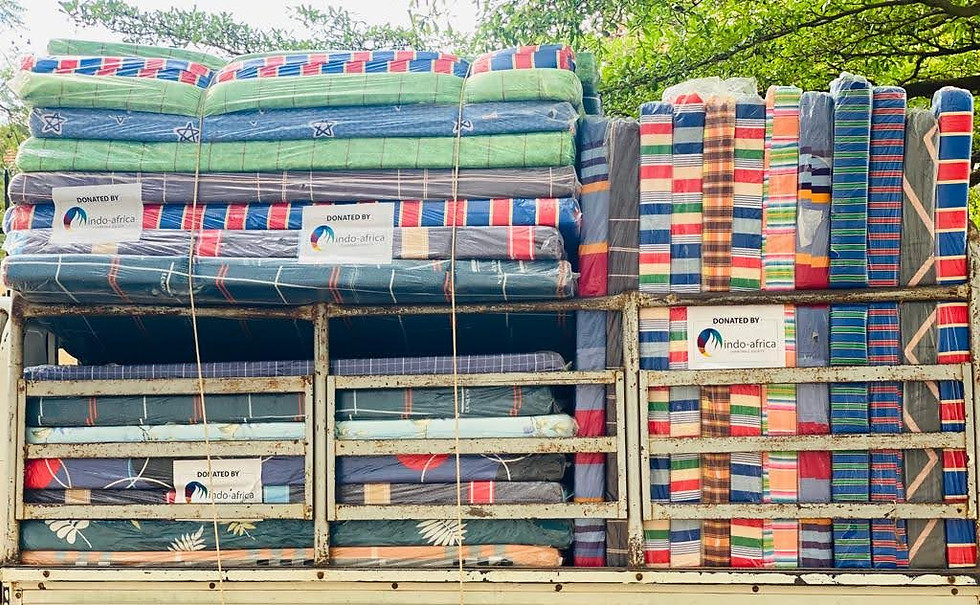
Indo Africa’s broader humanitarian efforts span healthcare, disaster relief, and community empowerment. During the COVID-19 pandemic, the organization raised over $50,000 to provide ventilators and critical medical equipment to hospitals in Uganda and India. Additional emergency responses included the distribution of blankets, mattresses, and bedsheets following mudslides and school fires.
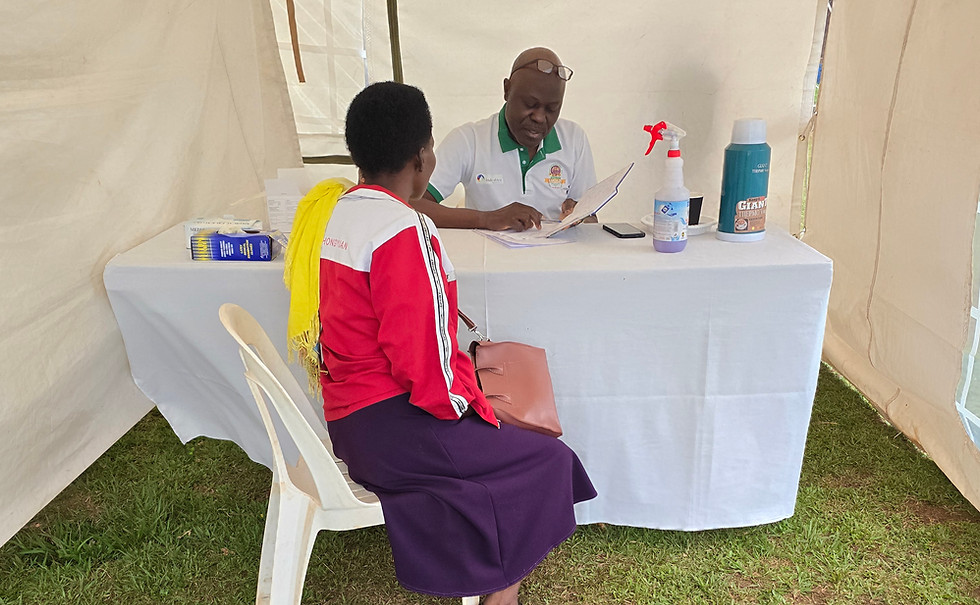

Healthcare Support
During the COVID-19 pandemic, Indo Africa raised over $50,000 USD, enabling the procurement and delivery of ventilators and critical medical equipment to hospitals serving large patient populations. A single ventilator can support dozens of critical patients per year, meaning this investment has the potential to save or support hundreds of lives over its operational lifespan.
Additional medical equipment and supply donations strengthened healthcare delivery capacity in underserved facilities, improving diagnostic capability, patient monitoring, and treatment efficiency for thousands of patients annually.
Emergency Disaster Relief
During natural disasters including mudslides, floods, and fires, Indo Africa distributed essential supplies including blankets, mattresses, and bedding materials to hundreds of displaced individuals and families. These interventions provided immediate protection, warmth, and stabilization for households experiencing sudden loss of shelter and possessions.
Emergency relief efforts helped reduce exposure-related health risks, improve temporary living conditions, and accelerate recovery timelines for affected families.



Community Empowerment
The donation of sewing machines to children with disabilities and women’s groups provided sustainable income-generating opportunities. Each sewing machine has the potential to support one household income source, directly benefiting 5–8 family members per household. These tools enable recipients to generate consistent income, improve financial independence, and reduce long-term poverty risk.
Education initiatives, including the construction and support of a primary school in Jinja, are expected to serve hundreds of students annually, improving access to education and long-term economic mobility for future generations.